These early solar panels were made from silicon, but they weren’t very efficient. They converted about 6% of sunlight into electricity, which is quite low compared to today’s standards. At the time, though, it was a big deal! People started using these panels on spacecraft, helping to show just how useful solar energy could be in remote locations.
The 1970s brought another wave of excitement as oil prices skyrocketed. Suddenly, solar energy became a hot topic, and more research and development went into improving solar technology. Companies began experimenting with different materials and designs, which gradually boosted efficiency and reduced costs.
By the 1980s, you could find solar panels popping up on rooftops and in remote homes. People were looking for ways to save money on energy bills, and solar was proving to be a reliable option. The technology was still developing, but it was evident that solar energy was here to stay. Energy independence and environmental concerns started to shape how we viewed solar technology.
Milestones in Solar Panel Development
Solar panels have come a long way since their early beginnings. It all kicked off in 1839 when French physicist Alexandre Edmond Becquerel discovered the photovoltaic effect, which is what allows solar cells to convert sunlight into energy. Imagine figuring out how to turn sunlight into electricity over 180 years ago! This laid the groundwork for everything that followed.
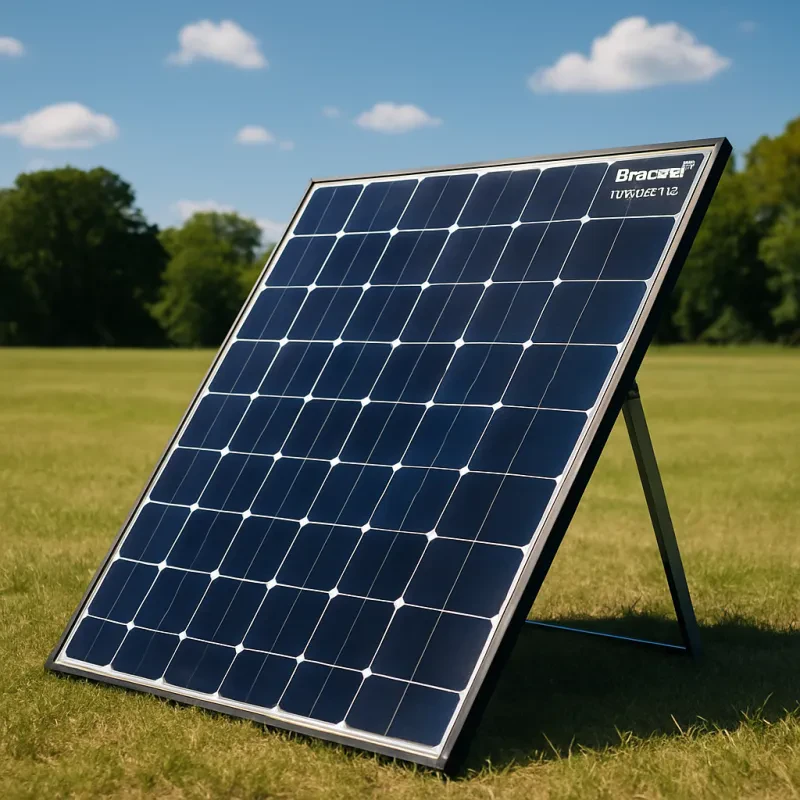
Fast forward to the 1950s, and we saw the first practical silicon solar cell developed by Bell Labs. It was a game-changer, reaching an efficiency of about 6%. That might not sound like much now, but it was revolutionary at the time. This development made solar technology more accessible, leading to early applications in space programs and remote areas.
By the 1970s, advancements kept rolling in. Thanks to increased funding and interest in renewable energy, efficiency rates improved significantly. Solar panels started making their way into homes, albeit slowly. The costs were still high, but people started to see the potential. More folks began to realize that with the right setup, they could harness the sun’s power for their own needs.
The 2000s were a big turning point. Prices for solar panels began to drop as technology advanced. Thanks to big companies investing in research and development, efficiency rates soared above 20%. Now, you could say solar panels were becoming a serious contender in the energy market. Homeowners were more willing to make the switch, encouraged by government incentives and a growing awareness of environmental issues.
Today, we're seeing incredible designs and technologies like bifacial panels and integrated solar roofs. It’s exciting! The efficiency keeps climbing, and more people are installing solar systems than ever. The shift is clear: solar panels are no longer just a niche product; they're a vital part of the energy landscape and are only expected to grow in the coming years.
Modern Innovations in Solar Energy
Solar energy has come a long way, and modern innovations are making it even more exciting. We’re not just talking about the old-school solar panels you may remember. Today’s technology has introduced smarter, sleeker, and more efficient options that fit seamlessly into our lives.
One of the coolest advancements is the development of solar shingles. These aren’t your typical bulky panels that sit on top of your roof. Instead, they blend in with your roofing material, making your home look sharp while still generating power. You get the benefits of solar without sacrificing style.
Then there’s the rise of solar tracking systems. These systems follow the sun's path throughout the day, getting the most out of those precious rays. They can boost energy production by up to 25% compared to fixed panels. That’s more energy for you without needing extra space!
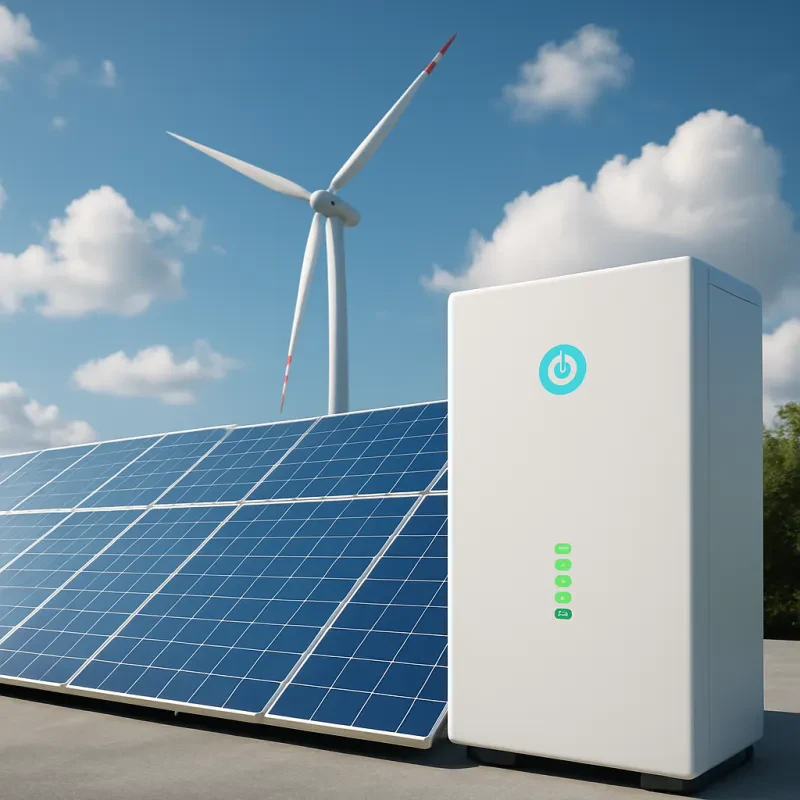
Another big step forward is in energy storage. With the right solar battery, you can store excess energy generated during the day for use at night. This means you’re not just relying on the sun; you’ve got backup power ready whenever you need it. Staying powered up has never been easier.
Lastly, advancements in materials like bifacial solar panels are worth noting. These panels capture sunlight from both sides, utilizing reflected light to boost energy output. It’s a smart way to maximize what you’re getting from the sun, especially in snowy or sandy areas where light reflects more.
Future Trends in Solar Panel Design
Solar panel design is evolving quickly, and it’s exciting to see what’s around the corner. One trend is making panels thinner and lighter. These sleek panels are easier to install and can fit on rooftops where traditional panels might not work. Imagine having solar panels that blend seamlessly with your roof without adding extra bulk!
Another cool trend is transparent solar panels. Yes, you read that right! These panels can go on windows, allowing light in while still generating energy. Whether in homes or buildings, this tech could turn whole structures into power generators without changing how they look. Who wouldn’t want energy-saving windows?
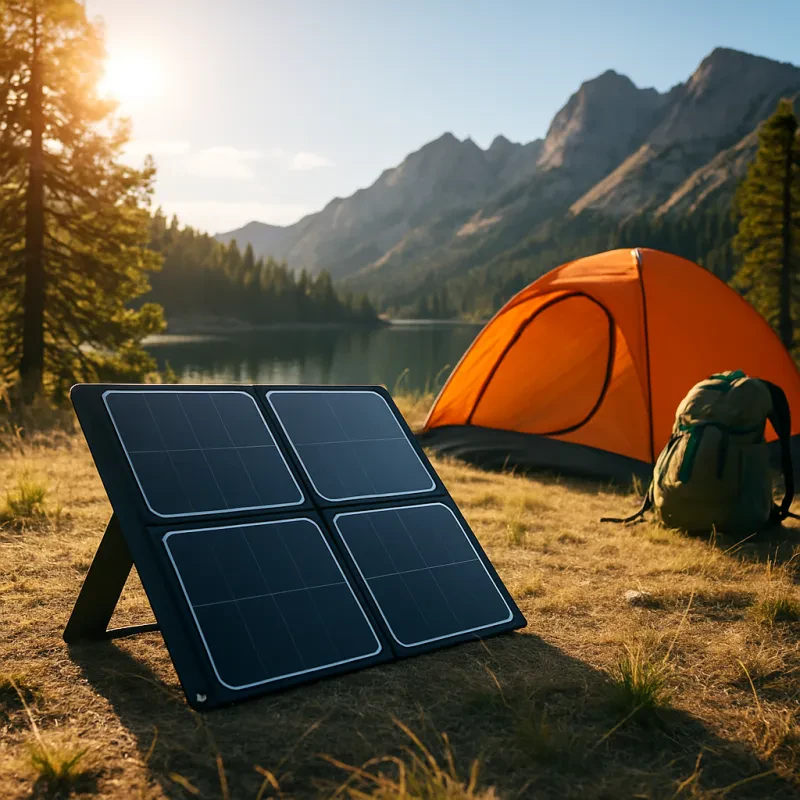
Then there’s the focus on flexibility. Rollable solar panels are in the works, making it possible to power things on the go, like RVs or camping trips. If you’re into outdoor adventures, this means you can keep your devices charged without lugging around heavy batteries.
Battery storage tech is also getting better. Combining advanced battery systems with solar panels means that you can store more energy for later use. This makes your home even more self-sufficient, giving you the power to use energy when you want, even when the sun isn't shining.
Last but not least, we can’t ignore the push for sustainable materials. The industry is moving towards using recyclable materials in panel production. This means less waste and less environmental impact, which is great news for our planet. The future looks bright, literally!